
strategy
Why Real Estate Software Development Stops Costly Mistakes
Build vs buy a source of truth for real estate? We've built it four times. The value isn't the feature list. It's the guardrails that catch mistakes early.
By Lagarsoft Engineering

We’ve built the same piece of software four times now.
A source of truth for a large coworking operator.
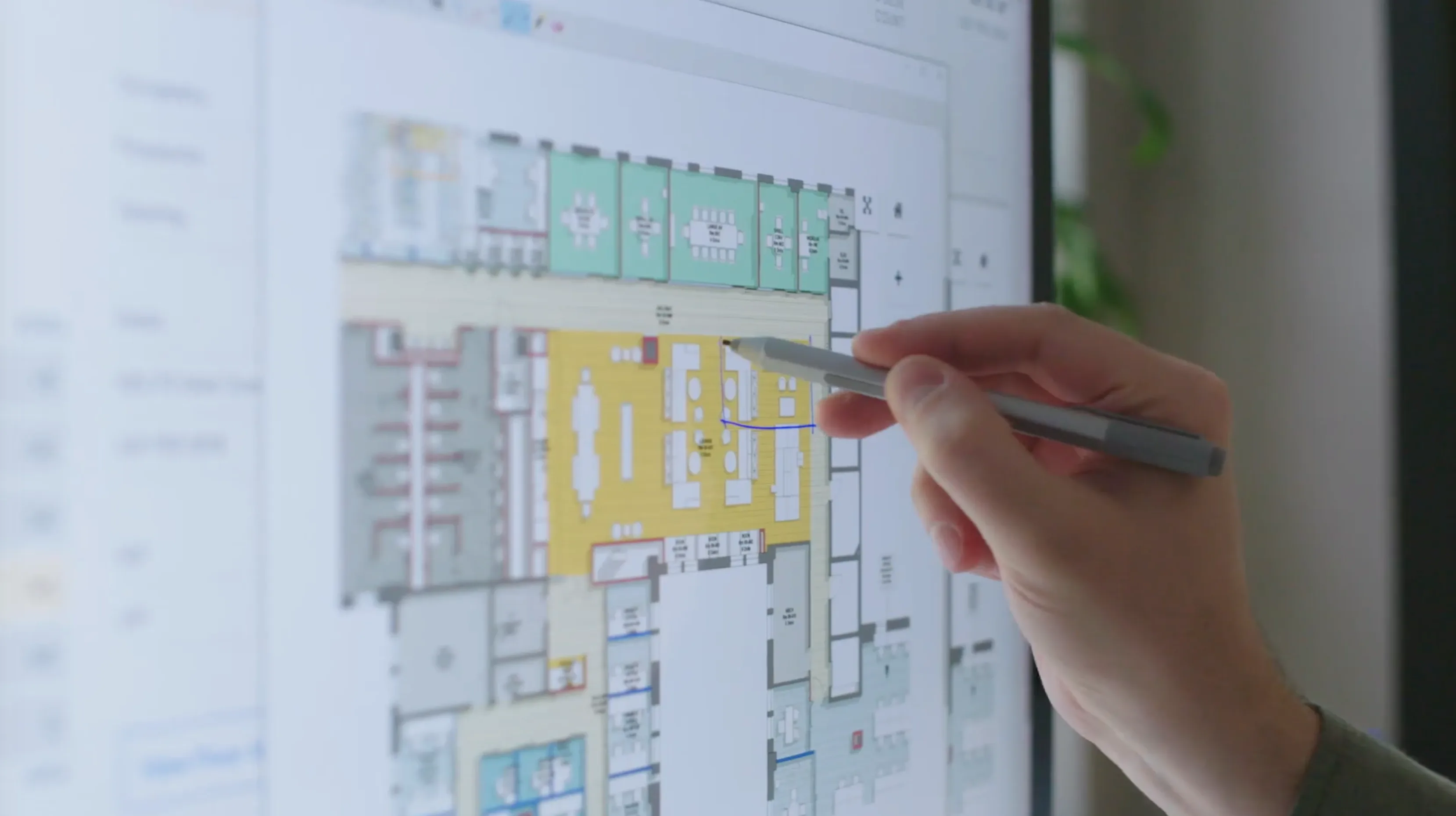
A version for a firm full of architects.
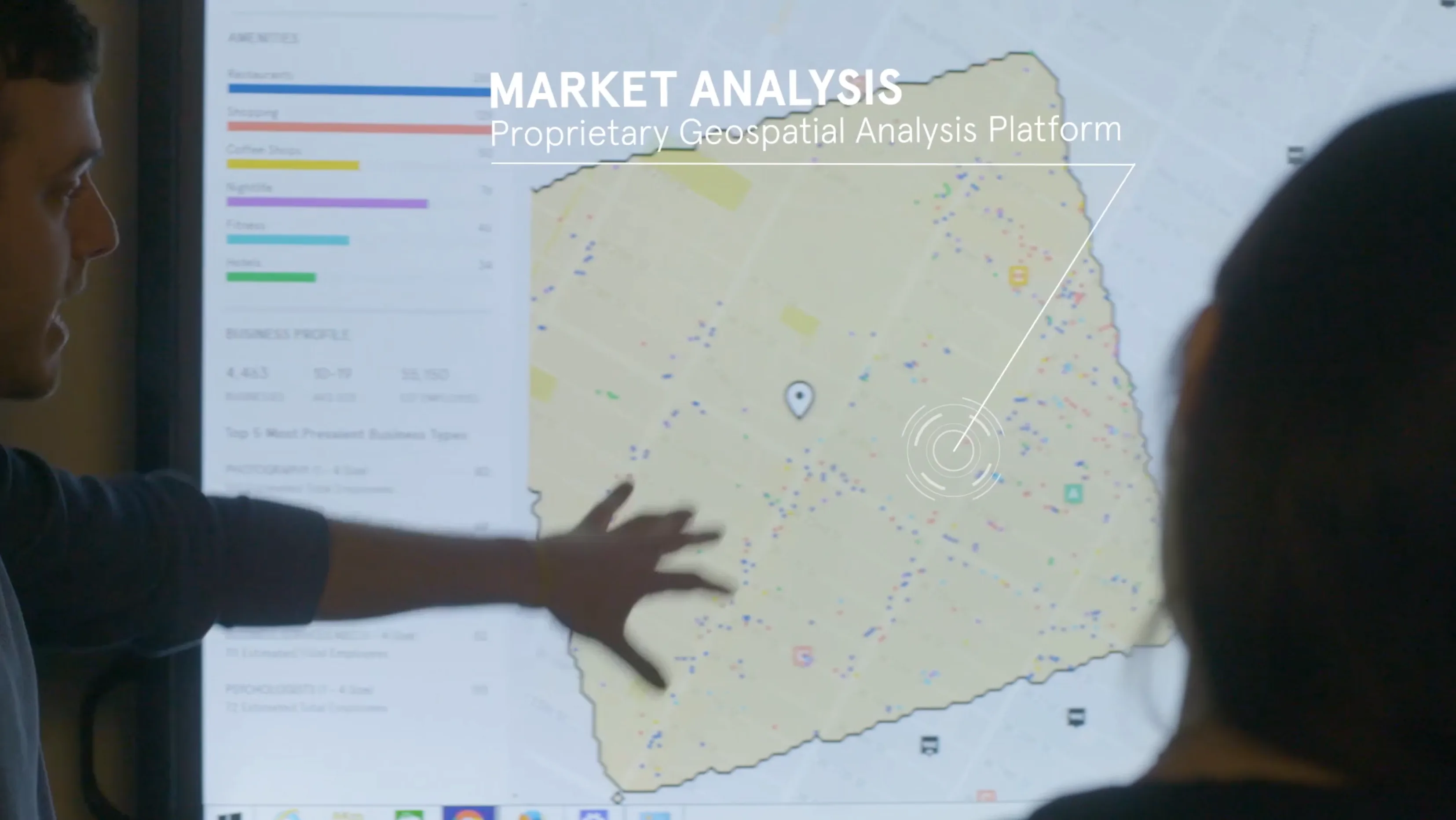
Two more for retail and space management teams.
Different industries, different scale, same job underneath: one place where the data about your properties, your spaces, your inventory is actually true.


And here’s the thing we keep coming back to. After four builds, we don’t think the value of that software is the features.
You can build a source of truth in Notion this afternoon.
Add a tool for the part Notion can’t do, glue a third one on for the part the second one misses, and you’ll have something that works.
It’ll work for a while.
Then you grow, the systems start disagreeing, and one Friday someone makes a decision off a number that was wrong three weeks ago.
That’s the part nobody puts in the feature comparison. So let’s talk about it.
What people think they’re buying
Search “real estate software development” and you’ll get pages of feature lists.
Automated billing.
MLS integrations.
Lead scoring.
Dashboards.
Each one presented like the thing that’ll change your business.
Most of it is real. Some of it is useful. But none of it is the reason a source of truth is worth building, because almost all of it is now commodity. From off-the-shelf CRMs to real estate development software, the tools to store, sync, and display property data are cheap and everywhere. If your problem is “I need a database of my listings,” you have a hundred options and most of them are fine.
The companies we’ve worked with didn’t have that problem. They had a harder one. They had data in five places that disagreed, and no system that cared.
The barrier to building your own dropped, and that changes the question
A few years ago, build vs buy was a real fork. Building your own internal system meant a team, a year, a budget that scared the board. So most companies bought a platform and bent their operation to fit it.
That math changed. The cost of building something that’s actually yours came way down. Thanks to modern platforms and APIs, custom real estate software development is far more accessible than it used to be. Which means the real choice today isn’t “expensive custom platform vs cheap spreadsheets.” It’s this:
A stack of generic tools taped together that works until it doesn’t.
Or a system built around the way your business actually works, with the guardrails your business actually needs.
Canned platforms come with someone else’s guardrails. They were designed for the average customer, which means they protect against the average customer’s mistakes. Your mistakes are specific. The way a desk gets double-booked, the way a drawing revision goes stale, the way a lease and a floor plan drift out of sync. A generic tool doesn’t know those failure modes exist, so it won’t stop them.
Guardrails are the product
Here’s the reframe that took us four builds to fully trust: a source of truth isn’t valuable because of what it lets you do. It’s valuable because of what it won’t let you do.
Anyone can build a system that stores data. The hard, valuable part is building a system that refuses to store wrong data.
That catches the conflict at the moment someone tries to enter it, not three weeks later in a report.
That reconciles the discrepancy on day one, when it costs an apology, instead of month six, when it costs a customer.
That’s a design decision. And it’s the cheapest thing in the world to build in at the start, and one of the most expensive to bolt on later.
When the taped-together stack fails, it fails exactly when you’ve grown enough to depend on it. That’s not bad luck. It’s the design. A pile of tools that don’t know about each other has no way to notice when they disagree. The disagreement just sits there, quietly true in one system and quietly false in another, until someone acts on it.
So what do you actually do with this
If you’re a CPO, a head of innovation, or a CEO about to greenlight a new internal system, the question isn’t “which platform has the most features.” Two better questions:
- Where does our data currently disagree with itself? That’s your real spec. Not the feature list, the list of conflicts you keep having to resolve by hand.
- What should the system flat-out refuse to let someone do? Double-book the space. Save over the current revision. Close the month with two locations that don’t reconcile. Write those down. Those are your guardrails, and they’re worth more than any dashboard.
You might still land on a bought platform. Sometimes that’s right. But you’ll evaluate it on whether its guardrails match your failure modes, instead of counting features you’ll never use.
And more often than it used to be true, the answer is to build something that’s actually yours. Not a canned solution glued together with tape. A system that knows how your business breaks, and stands in the way.
We’ve done this before
We’ve built source of truth software for real estate and adjacent industries four times, across coworking, design, and retail operations. Our team provides real estate software development services you can see in two of our case studies: RolloutIQ, the real estate analyst automation we built with Rila Consulting, and SiteRise, the construction project lifecycle platform we built end to end for The Oak Group. Different domains, same lesson every time: the feature list is the easy part, and the guardrails are where the money is.
If you’re deciding how to start, that’s the conversation worth having before you build. What’s true today, what keeps disagreeing, and what your system should never allow. If you need custom real estate software development guidance, we’re happy to compare notes.
Q&A
What do you mean by a “source of truth,” and why isn’t the feature list the main value?
A source of truth is a single, authoritative system where property, space, and inventory data is actually correct and consistent. Features like dashboards, integrations, and billing are now commodity; the real value is a system that won’t let wrong or conflicting data in. Its guardrails catch errors at the moment of entry, so discrepancies get resolved on day one (cheap) instead of surfacing months later in a report (expensive).
Why do stacks of generic tools “taped together” eventually fail?
They don’t share context, so they can’t notice when they disagree. As you grow, silent conflicts accumulate. One tool holds the “true” value, another holds an outdated one, and someone eventually acts on the wrong number. That isn’t bad luck; it’s a design limitation of disconnected systems without shared guardrails.
What changed about the build-vs-buy decision?
Modern platforms and APIs have dropped the cost and effort of building something tailored to your operation. The choice is no longer “expensive custom vs cheap spreadsheets,” but “a generic stack that works until it doesn’t” versus “a system built around how your business actually works, with the guardrails your business actually needs.”
How do we figure out the right guardrails for our business?
Start with where your data currently disagrees: that’s your real spec. Then list what the system should refuse to allow. Examples:
- Double-booking a desk or space
- Saving over the current drawing revision
- Letting leases and floor plans drift out of sync
- Closing the month when locations don’t reconcile
Document these failure modes first; use them to shape a build or to evaluate a platform.
When should we still buy off the shelf, and how should we evaluate it?
Buy when a platform’s guardrails match your failure modes. Don’t count features you’ll never use; test whether it prevents your specific mistakes. If it doesn’t, consider building something that’s truly yours, because in practice, the ROI comes from stopping costly errors, not from having one more dashboard.